 By Tomi Hilton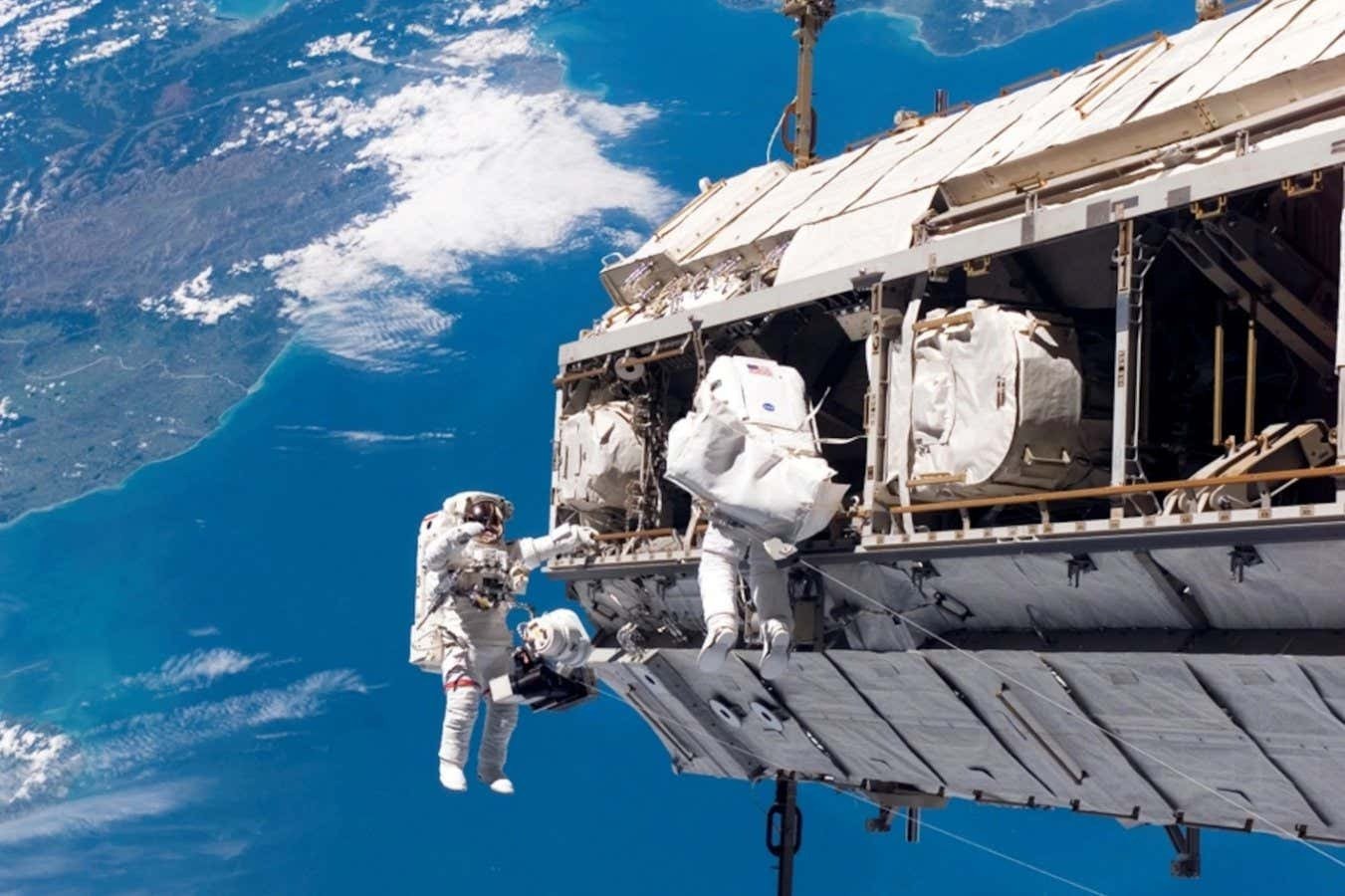
For hundreds of thousands of years, the human body has been shaped by life on Earth. It is a machine that is built to live under the constant pull of gravity, in a world with a protective atmosphere. But when we leave our planet, we enter an environment that is very different and very dangerous. The human body is not built for the cosmos. This is why a new field of science, called space medicine, is so important.
Space medicine is all about understanding how the human body reacts to space and how we can keep astronauts healthy. For long-term missions to the Moon and Mars, we cannot just keep doing what we are doing today. We will have to find new and innovative solutions to the problems that space presents. In this article, we will take a deep dive into these problems and explore the amazing future of space medicine, from smart suits and 3D printing to the even more futuristic idea of enhancing the human body itself.
When an astronaut goes to space, their body starts to change almost immediately. The lack of gravity, the dangerous radiation, and the long periods of isolation all work against the human body.
- Zero Gravity and the Body: In zero gravity, a person’s bones and muscles lose strength very quickly. On Earth, we are constantly pushing against gravity, which keeps our bones and muscles strong. In space, that constant work is gone. This can lead to a loss of up to 1% of bone mass every month. The fluids in an astronaut’s body also shift, causing their face to look puffy and their legs to look skinny. This also affects their vision and the way their heart works.
- The Danger of Radiation: Earth’s atmosphere and magnetic field protect us from a lot of harmful radiation from the Sun and from deep space. In space, an astronaut is exposed to this radiation all the time. This radiation can damage a person’s DNA, which can lead to a higher risk of cancer and other health problems. For a long trip to Mars, the radiation risk is a very serious concern.
- Isolation and Stress: Being in a small, confined place with the same people for months or years at a time is very hard on a person’s mind. The feeling of being so far from home, with no way to get back quickly, can cause a lot of stress and psychological problems. The sound of the machines on the space station can also be a challenge for an astronaut’s mind.
Right now, on the International Space Station (ISS), astronauts use a strict and daily routine to fight the effects of zero gravity. They exercise for at least two hours every day on special machines that are designed to work in space. They have a special treadmill where they are strapped in with bungee cords to keep their body weight, and an exercise bike without wheels. This exercise helps to slow down the loss of bone and muscle, but it does not stop it completely.
For radiation, astronauts on the ISS are in a relatively safe place. The ISS is in a low Earth orbit, which is still inside a part of Earth’s protective magnetic field. But for a trip to Mars, which would take astronauts outside of this protection, we need new and better solutions.
Scientists and engineers are working on some amazing new ideas to keep astronauts healthy on long trips. These solutions go far beyond what we are doing on the ISS today.
The future of astronaut health could be in the clothes they wear. Scientists are designing smart suits and wearable technologies that are like a personal doctor. These suits could have sensors that track an astronaut’s heart rate, breathing, and body temperature. They could even give an astronaut a small electric pulse to prevent muscle loss. The suits would also be able to sense the radiation levels around an astronaut and give them a warning. This would allow a doctor on Earth to monitor an astronaut’s health in real-time, even from millions of miles away.
This is a more futuristic and complex idea. Scientists have already used a technology called CRISPR to edit DNA in space. The idea is that we could one day be able to edit an astronaut’s genes to make them more resistant to radiation, or to stop the loss of bone and muscle in zero gravity. This kind of enhancement would make a person’s body more prepared for the harsh environment of space. It is a very powerful idea that is being studied today.
Imagine an astronaut on a long trip to Mars who needs a new medical tool or a specific medicine. It would be impossible to send it from Earth in time. This is where 3D printing in space could be a game-changer. Scientists are working on 3D printers that can be used in zero gravity to print medical tools, new skin tissue, and even drugs. This would allow an astronaut to make the things they need, when they need them, making the mission much safer and more self-sufficient.
Scientists are also working on new kinds of medicine that can be used to treat the problems of space. They are looking at drugs that can protect a person’s bones from losing density, or that can protect a person’s DNA from radiation. They are also looking at how to make drugs in space, as the lack of gravity can change the way a drug forms, making it more effective. The medicine we develop for space could one day help people on Earth with bone diseases and other health problems.
One of the best ways to solve the health problems of zero gravity is to get rid of zero gravity. A solution to this is to build a rotating habitat. A spinning habitat would create a force that pushes astronauts to the outer walls, which would feel like gravity. This artificial gravity would allow astronauts to live and work in space without the health risks of zero gravity. This kind of habitat would be perfect for a long trip to Mars and for a permanent space station in the future.
The idea of enhancing the human body for space travel brings up some very big ethical questions. If we can use gene editing to make a person more resistant to radiation, should we? What is the limit of human enhancement? Who gets to decide what a “perfect” body for space is? These are not easy questions to answer, and they will be at the center of the debate for the future of space exploration.
The future of space exploration depends on our ability to keep humans healthy and safe. The human body is not built for the cosmos, and the challenges of zero gravity, radiation, and isolation are huge. But a new field of science called space medicine is finding new and innovative ways to solve these problems. From smart suits and 3D printing to the futuristic idea of gene editing, we are working on a future where a person’s body is more ready for the challenges of space. The medicine we develop for space will not only help us to explore the cosmos, but it will also help us to understand the human body in new ways and could one day change medicine on Earth. The journey to the stars is a medical challenge, but it is a challenge we are ready to take on.